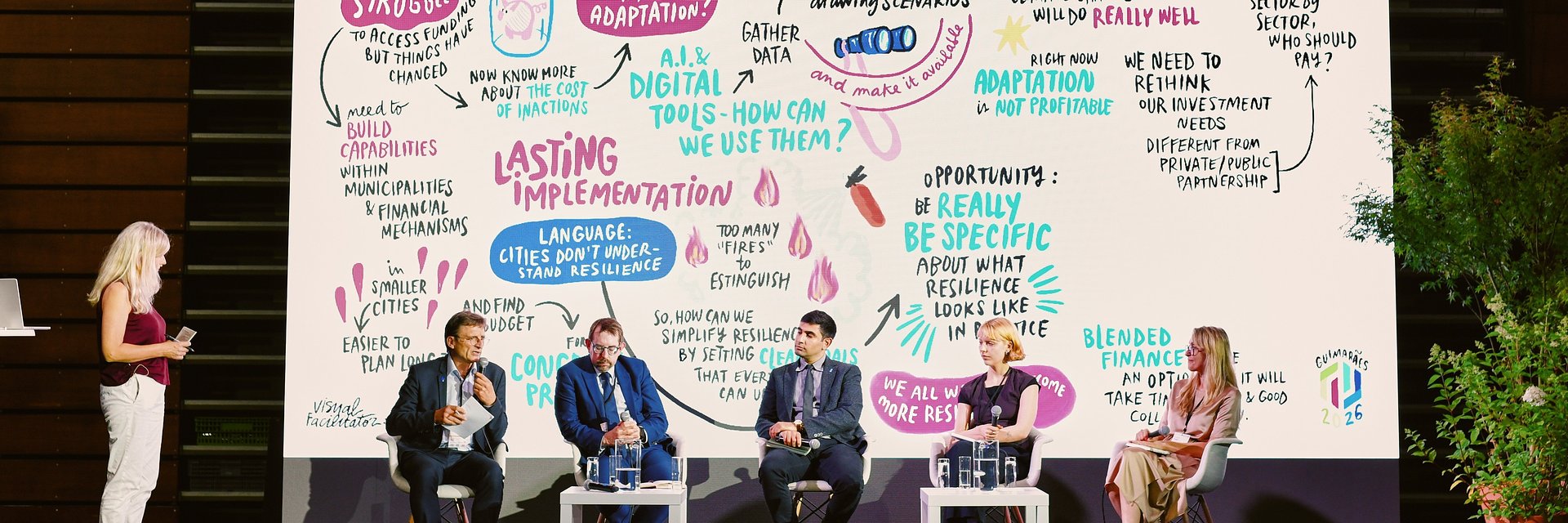
24 June 2025 - Guimarães, Portugal
Europe is the planet’s fastest-warming continent, heating at around two to three times the global average. Nowhere is this more visible than on the Iberian Peninsula, among the European regions most exposed to the impacts of climate change. Successive wildfires, prolonged droughts and record-breaking heatwaves have made Portugal and Spain frontline witnesses to what accelerating climate disruption looks like in practice. Yet it is precisely this exposure that has forged some of the continent’s most determined and innovative approaches to resilience.
It was against this backdrop that Guimarães, European Green Capital 2026, welcomed the 13th European Urban Resilience Forum (EURESFO), concluding three days of intensive exchange with a clear message: adaptation alone is no longer enough. The forum brought together 420 participants and 140+ speakers from across Europe and beyond, united around the urgent need for integrated resilience strategies spanning governance levels, communities and sectors
Co-organised by ICLEI Europe, the European Environment Agency (EEA), and Município de Guimarães, EURESFO 2026 focused on the theme “Moving beyond adaptation: integrated approaches to resilience.” Inspired by Guimarães’ long-standing commitment to embedding sustainability into its cultural fabric, the forum placed special emphasis on the leadership and innovation of small and medium-sized cities and what their close connection to citizens can teach the wider world about bottom-up climate resilience.
The full programme spanned 4 plenaries, 8 parallel sessions and 12 workshops, with 25 Marketplace stands showcasing solutions and projects from cities and organisations across Europe. 120 participants took part in four site visits, exploring Guimarães' own sustainability initiatives first-hand: the Latito Hill & District C regeneration; the Guimarães Biocultural Corridor; sustainable soil initiatives at the Community Garden and Landscape Laboratory; and the natural landscape of Penha Mountain.
A recurring thread across sessions was Guimarães’ own “One Planet City” vision, which unites citizens, academia and the private sector in pursuit of a sustainable future. For participants, the host city served as a living demonstration of what becomes possible when an entire community moves in the same direction and a source of practical inspiration for cities at every scale.
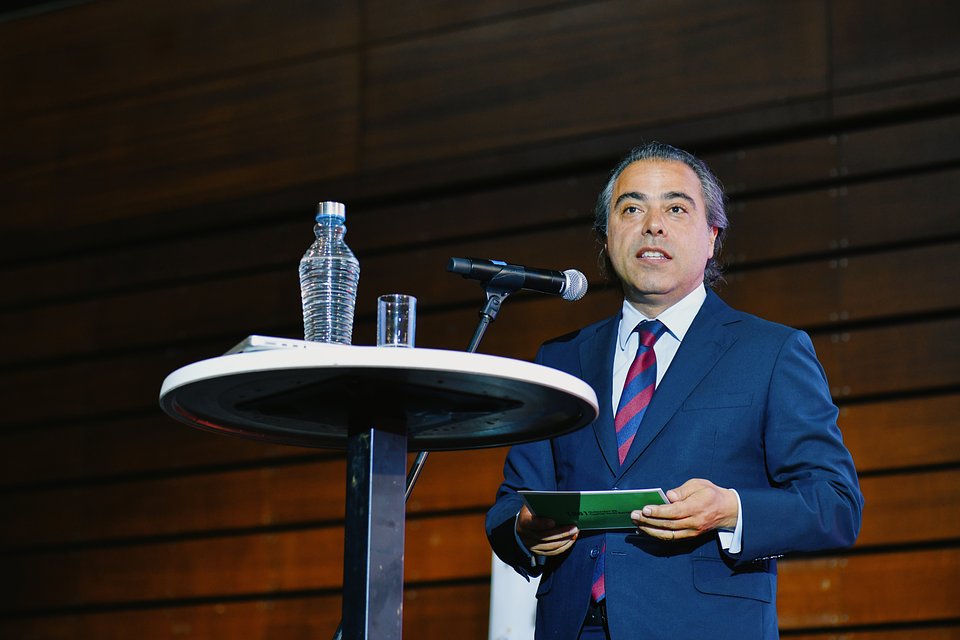
Ricardo Araújo, Mayor of Guimarães, noted:
“Hosting EURESFO 2026 in Guimarães, in the year in which our city is European Green Capital, was both an opportunity and a responsibility. Over these three days, Guimarães welcomed more than 400 participants from across Europe and became a space for dialogue, knowledge-sharing and cooperation around some of the most pressing challenges facing our cities. This Forum has shown that urban resilience is not only about adapting to climate change, but also about improving people’s quality of life, strengthening communities and integrating climate action into public policies. The challenges ahead require leadership, innovation and investment, but above all they require collaboration — because no city can respond to them alone.”
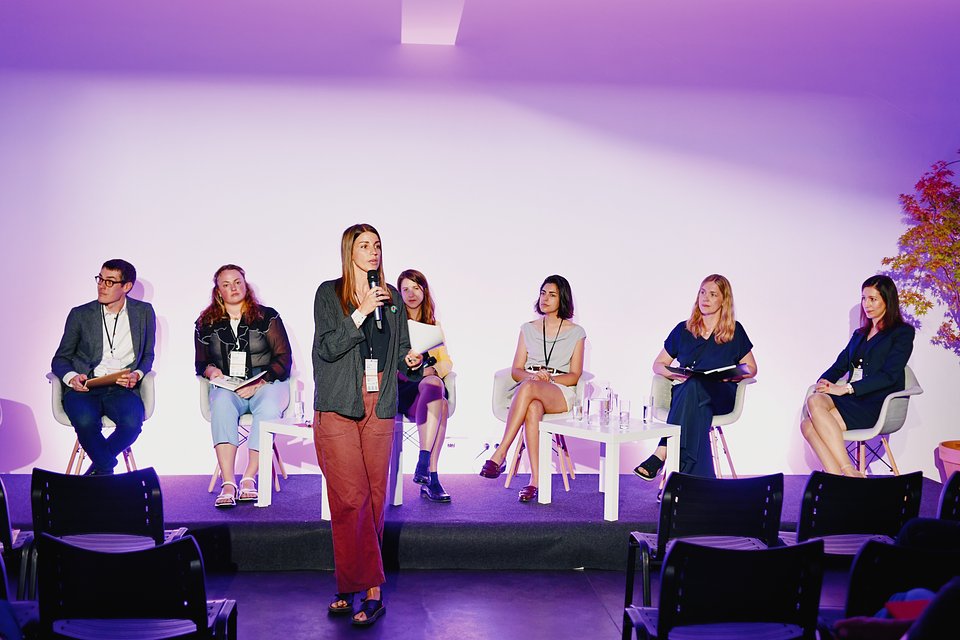
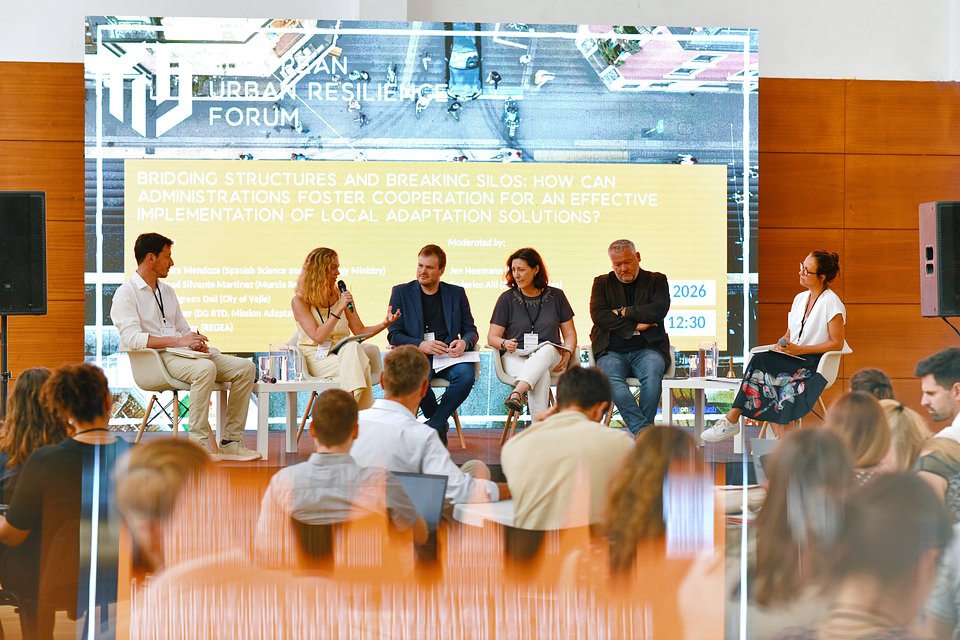
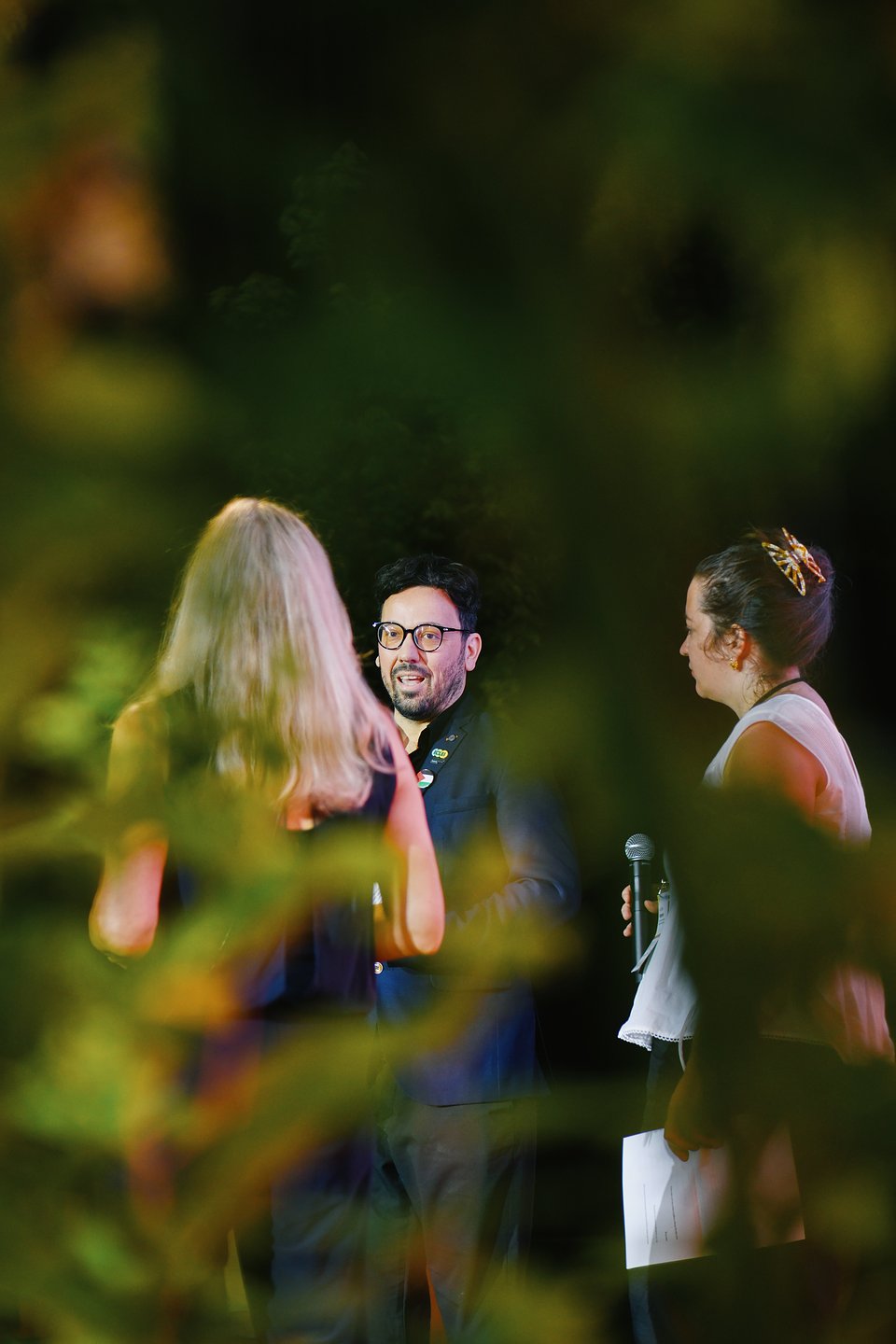
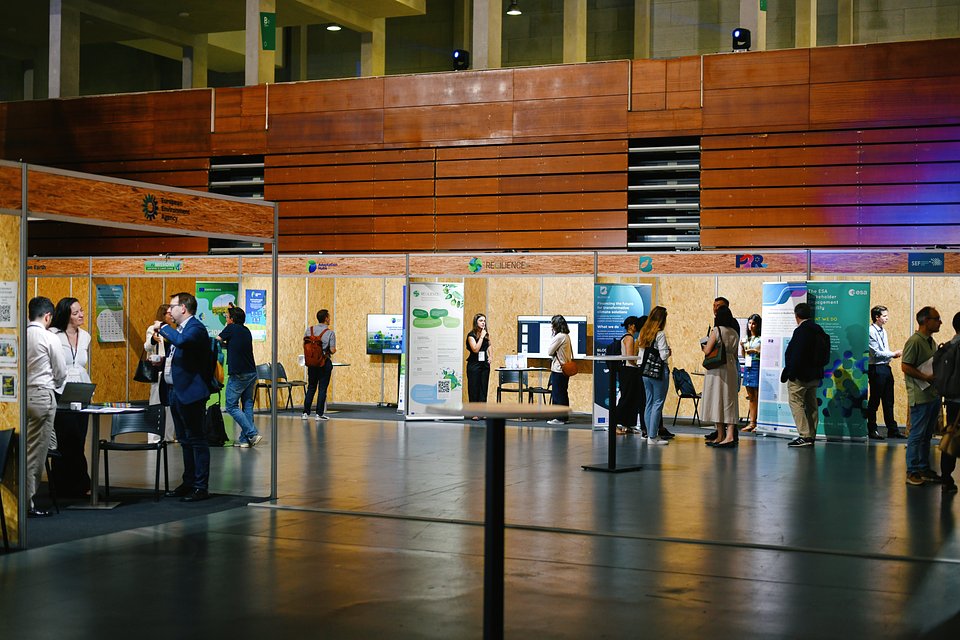
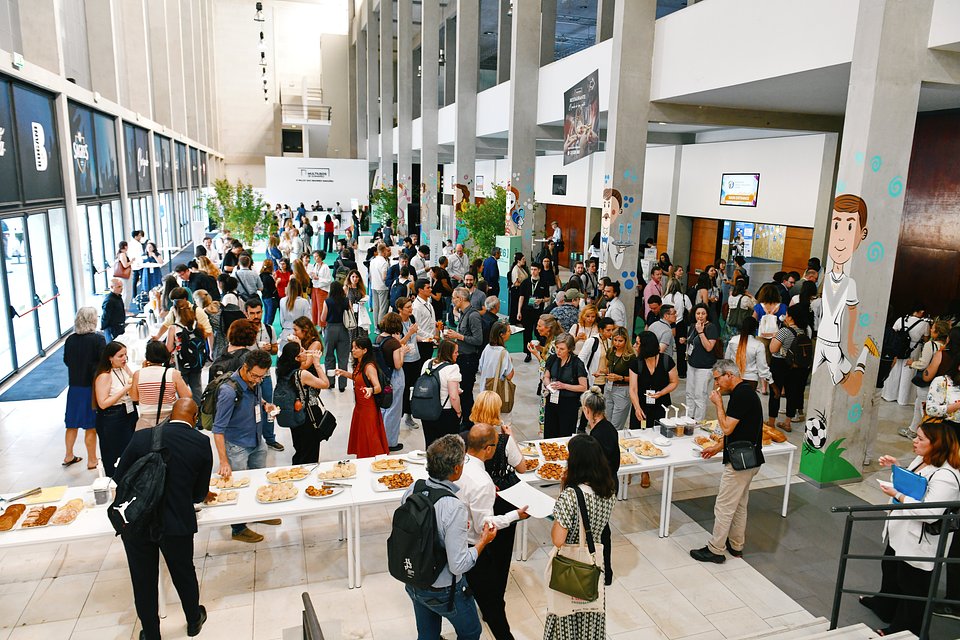
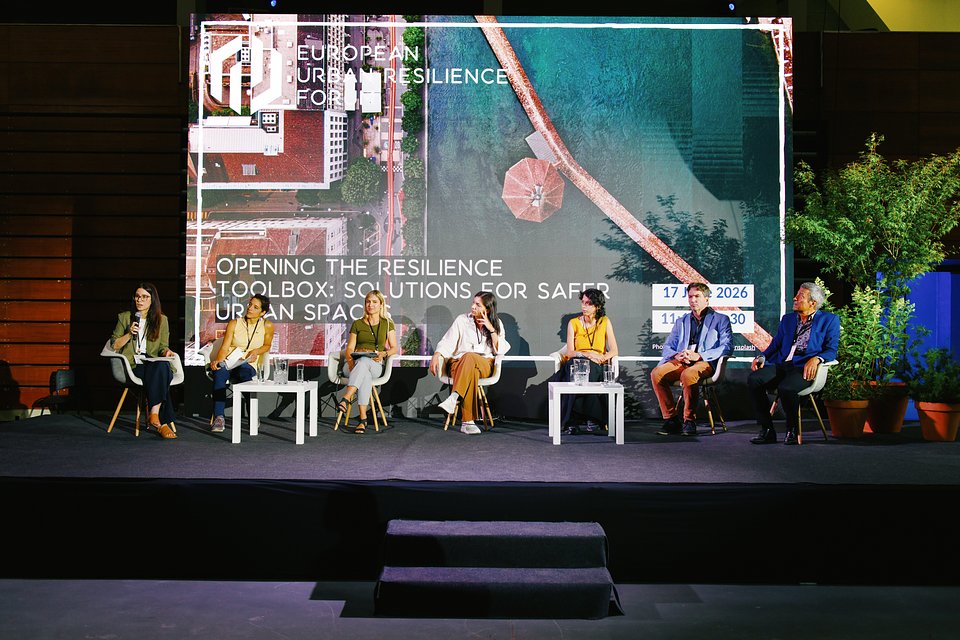
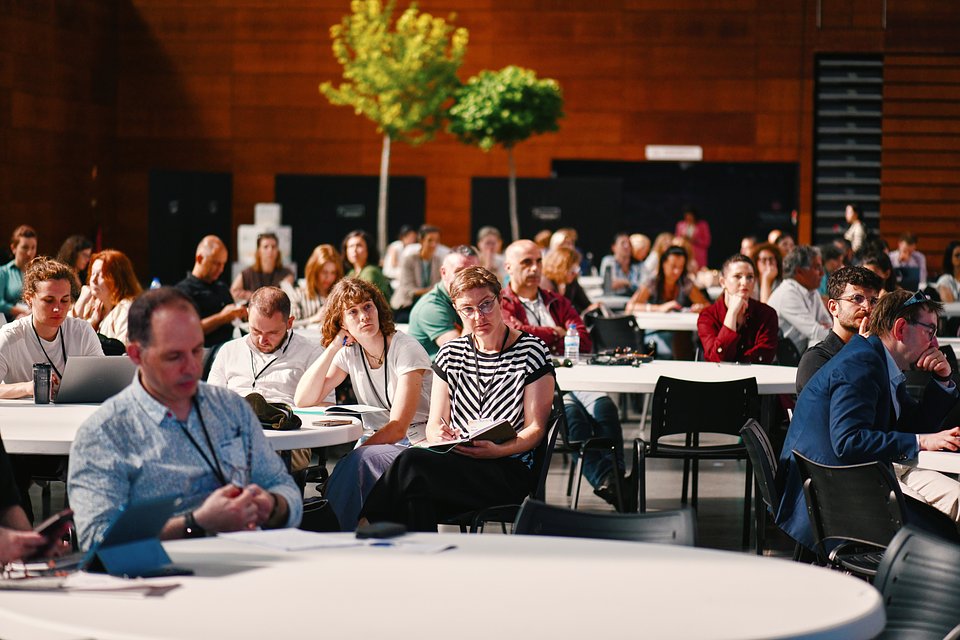
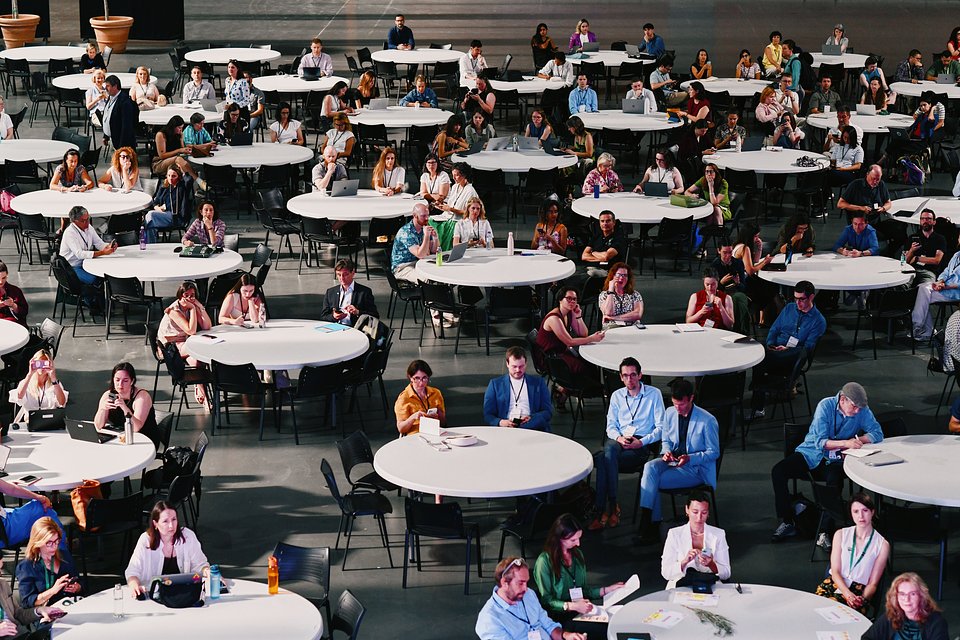
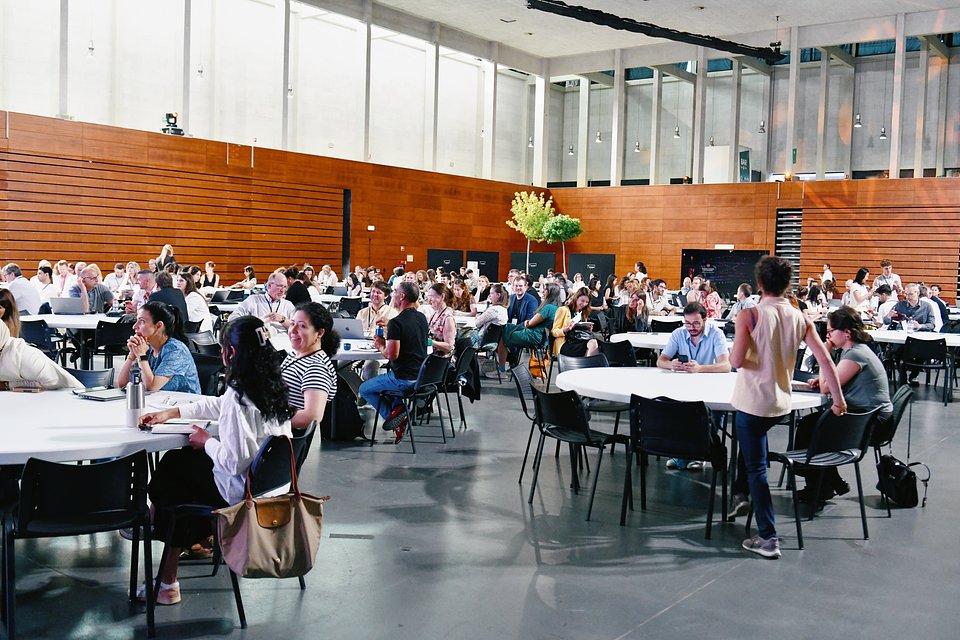
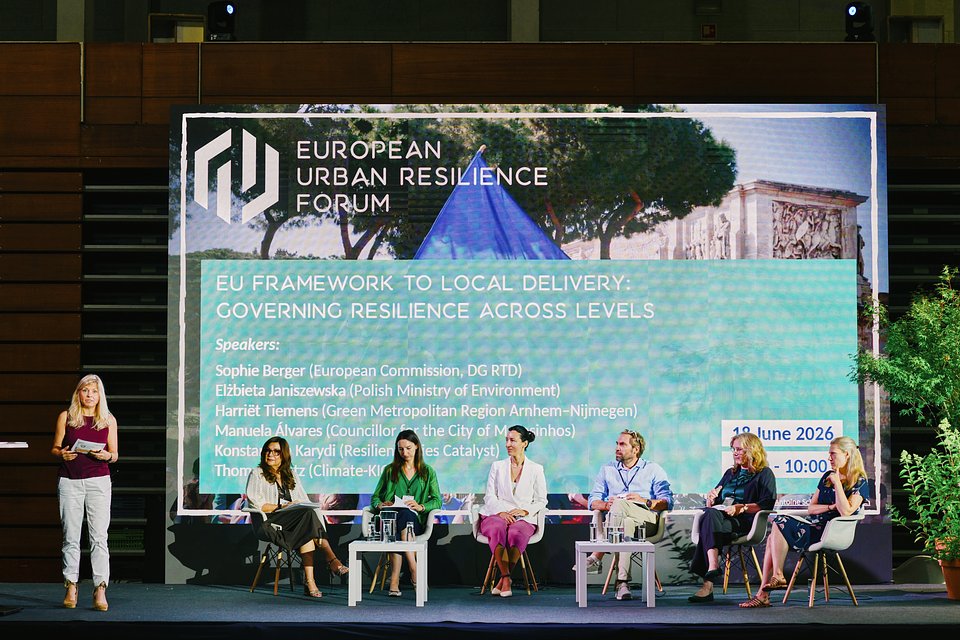
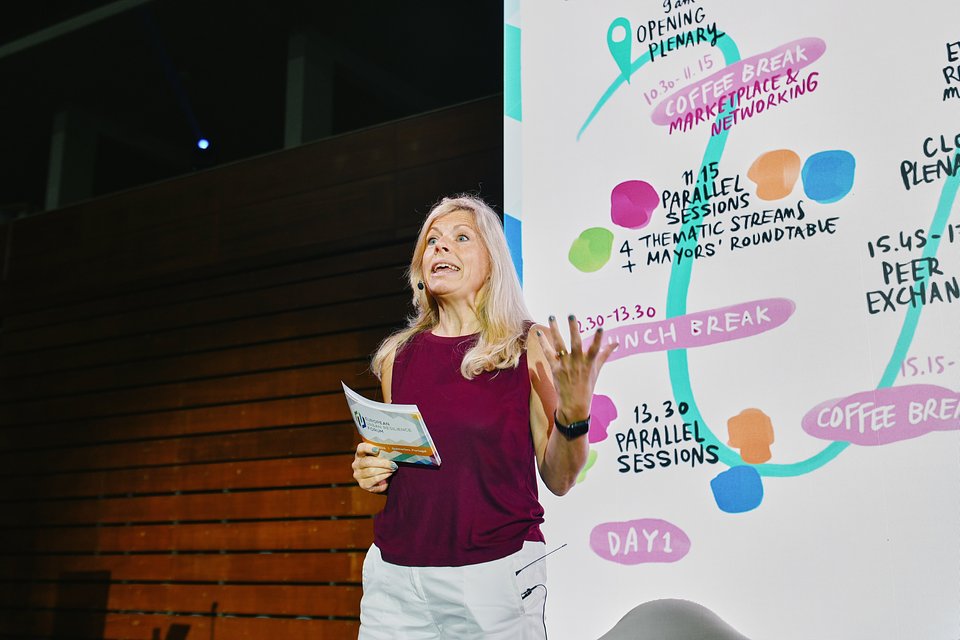
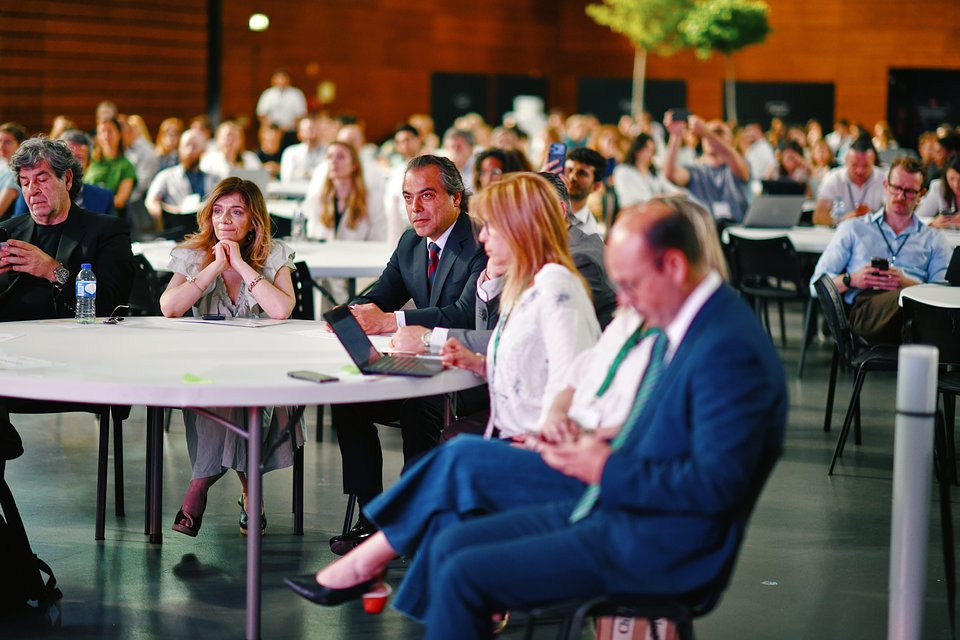
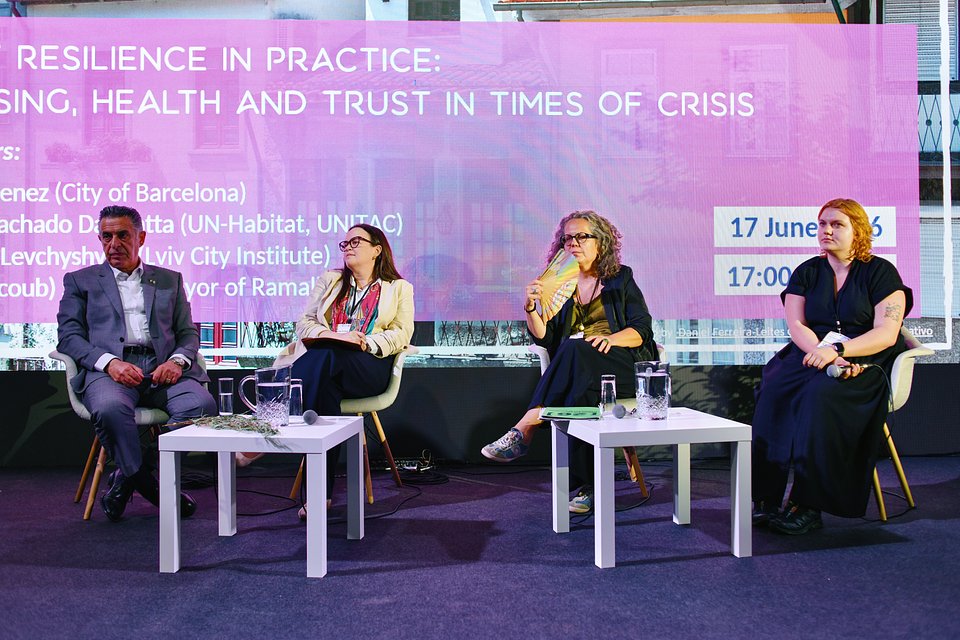
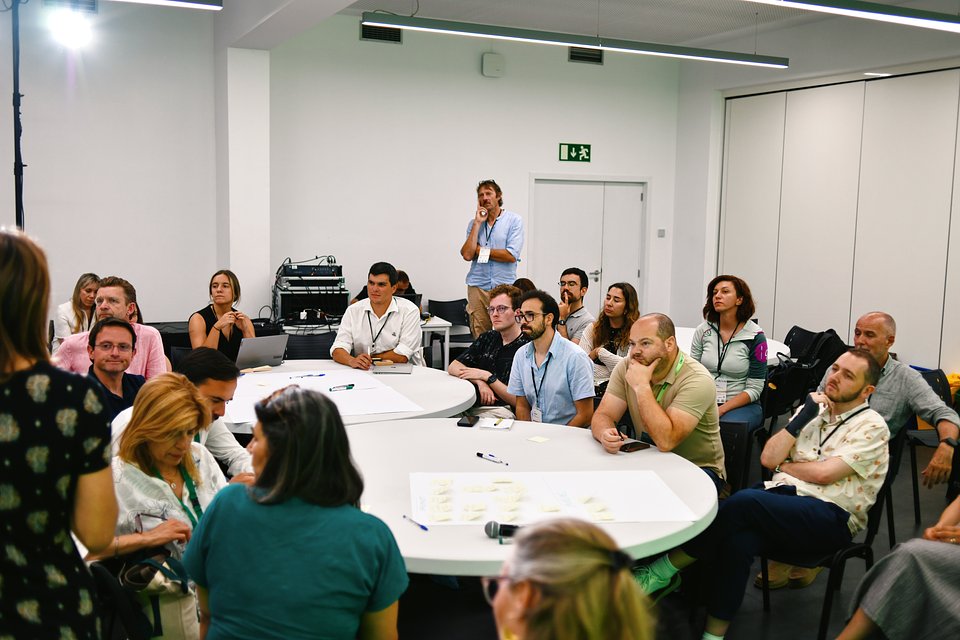
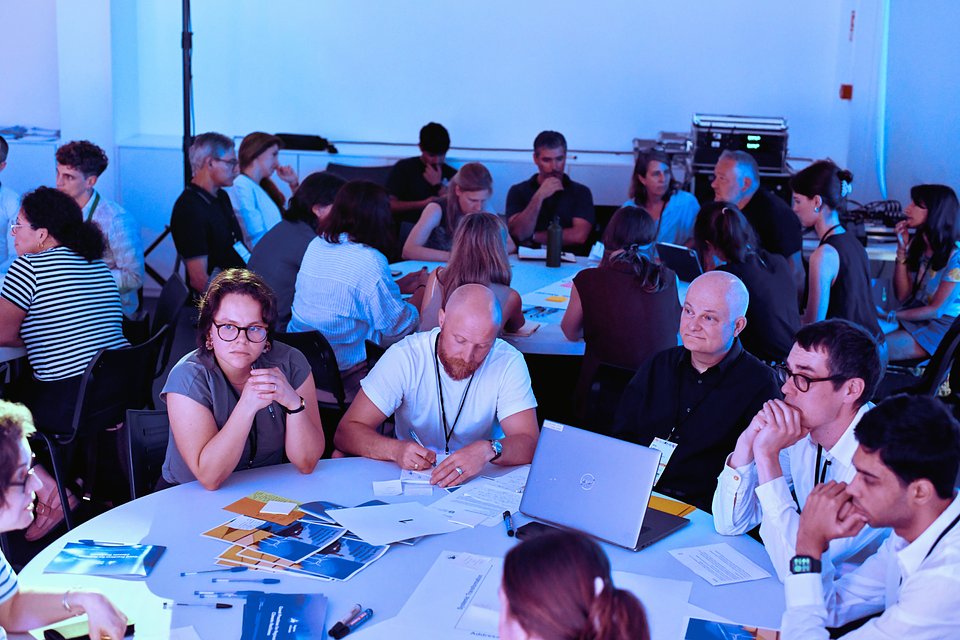
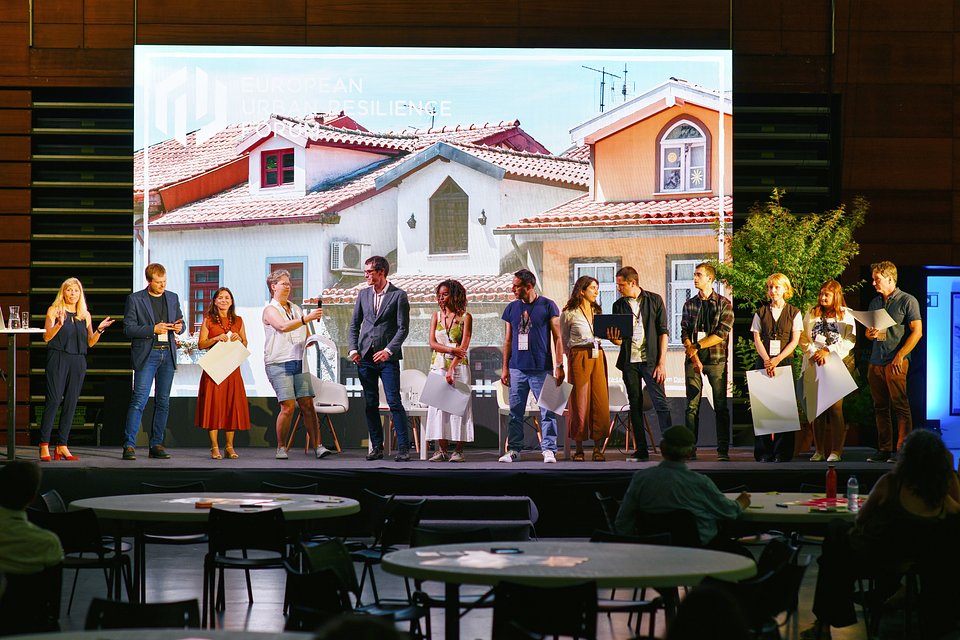
Participants examined the evolving European legislative landscape — including the forthcoming EU Climate Resilience and Risk Management Integrated Framework and the Nature Restoration Regulation — alongside emerging financing models for adaptation and resilience. Nature-based solutions, people-centred approaches, and pressing hazards including wildfires, extreme heat, droughts and flooding were central to discussion throughout the three days. A dedicated session on bridging governance structures and breaking institutional silos brought together national, regional and local practitioners to explore how administrations can foster cooperation for effective implementation of local adaptation solutions — with REGILIENCE+ and the Adaptation Hubs project, two flagship EU Mission initiatives, playing a central role in the discussion.
The full programme is available at: urbanresilienceforum.eu/programme
Pictures from the 12th European Urban Resilience Forum available here.
A broad coalition of partners also contributed to the organisation of the 2026 edition of the Forum, including the REGILIENCE+, Regions4Climate, Pathways2Resilience, CARDIMED, MULTICLIMACT, RescueME, Commit2Green, CLIMATEFIT, NBRACER, Land4Climate, AdaptationHubs, ReCreate, Urban ReLeaf and CO-WATERS projects.
About EURESFO: EURESFO is an annual platform that brings together city representatives, experts, and stakeholders to discuss strategies for adapting to climate change, managing disasters, and building urban resilience. Organised by ICLEI Europe and the European Environment Agency (EEA) since 2013, EURESFO fosters open and interactive exchanges on pressing urban resilience challenges.
About ICLEI - Local Governments for Sustainability: ICLEI – Local Governments for Sustainability is a global network of more than 2,500 local and regional governments committed to sustainable urban development. Active in 125 countries, we influence sustainability policy and drive local action for low emission, nature-based, equitable, resilient and circular development. ICLEI Europe provides members in Europe, the Middle East and West Asia with a voice on European and international stages, a platform to connect with peers, and tools to drive positive environmental, economic and social change. ICLEI Europe works closely with an extended network of local and regional governments and partners on a broad range of topics.